Loading...
Serving Pueblo, CO and surrounding areas. (719) 750-0080
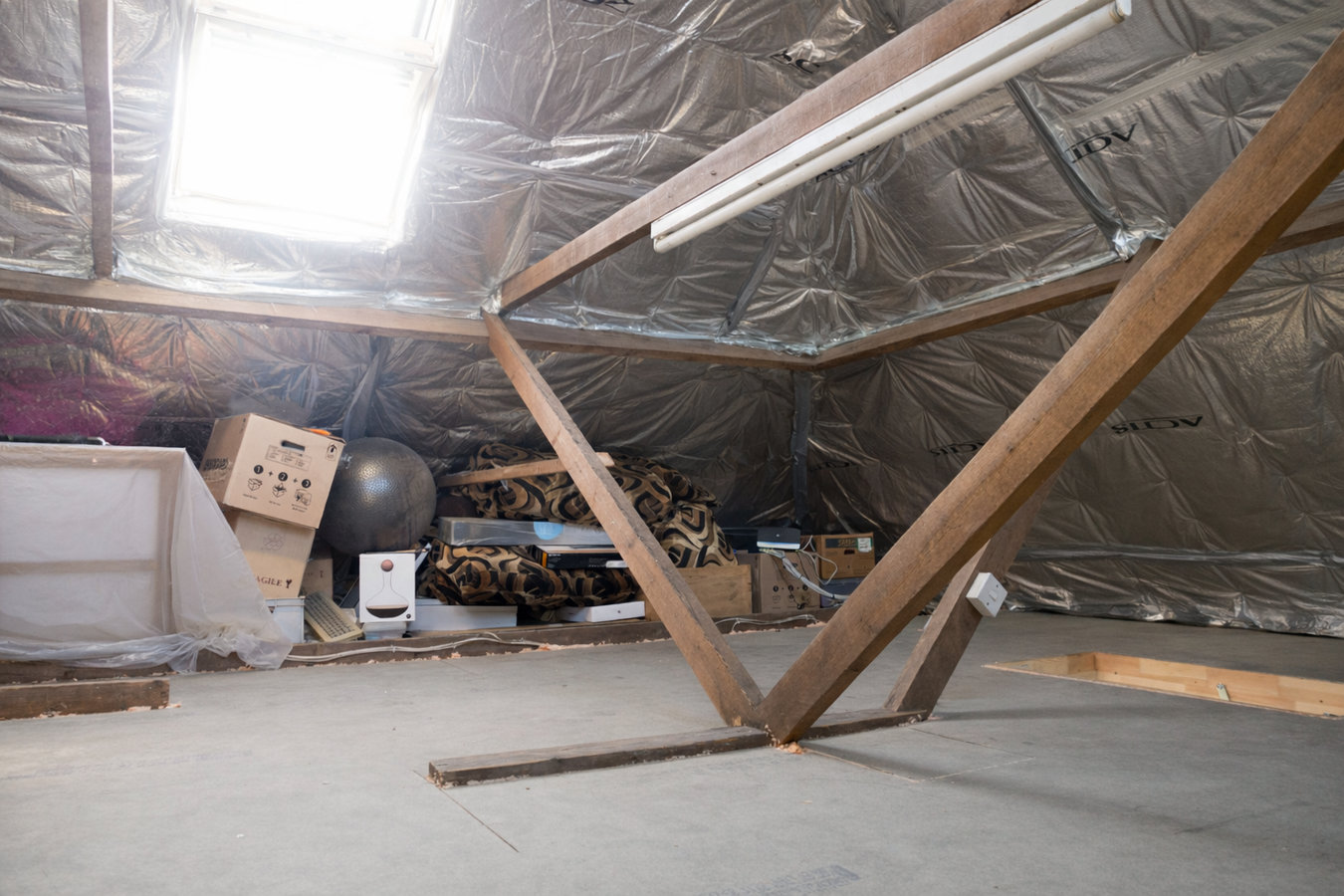
Pueblo's temperature swings put real pressure on under-insulated attics. A proper upgrade means lower bills, more even room temperatures, and a home that stays comfortable without fighting your thermostat.
Attic insulation in Pueblo, CO slows heat from escaping through your ceiling in winter and keeps summer heat from radiating down into your living space - most standard jobs are completed in a single day without requiring you to leave your home. When it is working correctly, you notice it in your utility bills and in how consistently comfortable your rooms feel year-round.
The problem for many Pueblo homeowners is that what is up there has either compressed over the years or was never adequate by today's standards. Homes built before 1980 - which make up a large share of Pueblo's housing stock in neighborhoods like Bessemer, the Northside, and the East Side - were often built with insulation levels that would not come close to current Colorado energy requirements.
Depending on what we find, we may recommend pairing new attic insulation with attic air sealing to address gaps around light fixtures, plumbing penetrations, and HVAC boots before the insulation goes in - since sealing first makes the insulation more effective.
If your gas or electric bill jumps sharply when Pueblo hits its summer highs or winter lows, your attic may be failing to do its job. The gap between your bill and a similarly sized neighbor's home is often a clue. Pueblo's wide temperature swings make under-insulated homes feel the difference more acutely.
If the bedroom at the end of the hall is always uncomfortable regardless of what the thermostat says, the problem is often above you, not in your HVAC system. Heat moves through your ceiling from the attic, and rooms directly below an under-insulated attic are the first to show it.
If you peek into your attic and the wooden framing beams are visible above the insulation - or if the insulation barely covers them - you almost certainly do not have enough. Adequate insulation should cover those beams completely. In a home built before 1980 in Pueblo, this is a very common finding.
If you live in one of Pueblo's older neighborhoods and have no record of insulation work, the odds are high that what is up there does not meet today's standards. Insulation also compresses over decades, losing effectiveness even if it was adequate when installed.
The two most common attic insulation approaches are blown-in loose fill and batt insulation. Blown-in material - typically fiberglass or cellulose - is distributed with a hose and fills gaps and corners more completely than pre-cut batts can. It is the most common choice for adding to an existing attic floor because it covers obstacles and settles into place without leaving thin spots. Batts are better suited to open, unobstructed cavities where precise fitting is practical.
Some attics need old material removed before new insulation goes in, particularly if there is moisture damage, signs of past pest activity, or insulation that has broken down to the point where it is doing more harm than good. We assess what is there first and tell you clearly whether removal is necessary and why.
For homeowners dealing with specific gaps and air movement problems alongside thin insulation, we often recommend pairing attic insulation with blown-in insulation in walls or other areas of the home where coverage is also lacking.
Fiberglass or cellulose blown in over the attic floor - fills corners and irregular spaces more thoroughly than batts.
Pre-cut blanket insulation for open, unobstructed cavities with clear framing access.
Old, damaged, or contaminated material removed before new insulation is installed.
Gaps around penetrations sealed first, then insulation added on top for maximum effectiveness.
Pueblo sits at roughly 4,700 feet in a semi-arid climate where summer temperatures regularly exceed 95°F and winter nights drop well below zero. At that elevation, furnaces already work less efficiently than they would at sea level. A well-insulated attic reduces how hard your heating system has to work - every degree of heat your insulation keeps inside is heat your furnace does not have to regenerate, which matters more at altitude.
Pueblo's dry, windy conditions also cause blown-in insulation to settle and compress faster than it would in more sheltered climates. Insulation that was adequate when installed 15 or 20 years ago may have lost meaningful effectiveness from settling alone. This is worth checking even if you know your home has had insulation work done before.
We serve homeowners throughout Pueblo, Fountain, and Woodland Park, and understand the specific housing stock and climate demands in each area.
We respond within 1 business day. A quick conversation covers your home's age, what you have noticed about comfort or bills, and whether you have any records of past insulation work. No obligation at this stage.
We access your attic through the hatch - usually a panel in a hallway or closet - measure what is there, and check for moisture, pest activity, or gaps that should be addressed before new material goes in. This takes 20 to 45 minutes and is free.
You receive a written breakdown: what we found, what type and amount of insulation we recommend, and what it will cost. We explain our recommendation in plain terms. Compare it to other estimates at your own pace.
Most attic jobs are finished in a single day. You can stay home during the work. Before the crew leaves, we confirm the coverage level achieved and provide documentation you can use for a Black Hills Energy rebate application or future home sale.
We respond within 1 business day, and there is no obligation to proceed. After you submit, someone from our office will call to schedule a free on-site attic assessment at a time that works for you.
(719) 750-0080A large share of Pueblo's homes date back to the early 1900s and were built without modern insulation standards. Our crews know what to expect in these attics - including original materials, gaps around older fixtures, and framing that does not always follow modern conventions.
We comply with Colorado's current energy code requirements for insulation and coordinate permits when a project needs them. When a permit is required, we handle the paperwork so the work is documented.
Most Pueblo households are served by Black Hills Energy for natural gas, and qualifying attic upgrades can earn a rebate - but you must apply before work begins. We can help you navigate the paperwork so you capture that money rather than leaving it on the table.
Attic conditions vary significantly from one Pueblo home to the next. We always assess the space in person before giving you a number so that the estimate reflects what is actually there, not a generic square-footage guess.
The Department of Energy estimates that properly air-sealing and insulating your attic can cut heating and cooling costs by 10 to 20 percent or more, depending on starting conditions. In Pueblo's climate, where both summer and winter put real pressure on utility bills, that is a consistent annual benefit - not a one-time event. See ENERGY STAR guidance on attic insulation.
Blown-in insulation for walls, floors, and other areas of your home where coverage is thin or missing.
Learn moreSeal gaps around attic penetrations before adding insulation to maximize the thermal performance of both improvements.
Learn moreBefore another Pueblo winter arrives, find out exactly what is in your attic and what it would cost to fix it. We respond within 1 business day.