
Loading...
Serving Pueblo, CO and surrounding areas. (719) 750-0080
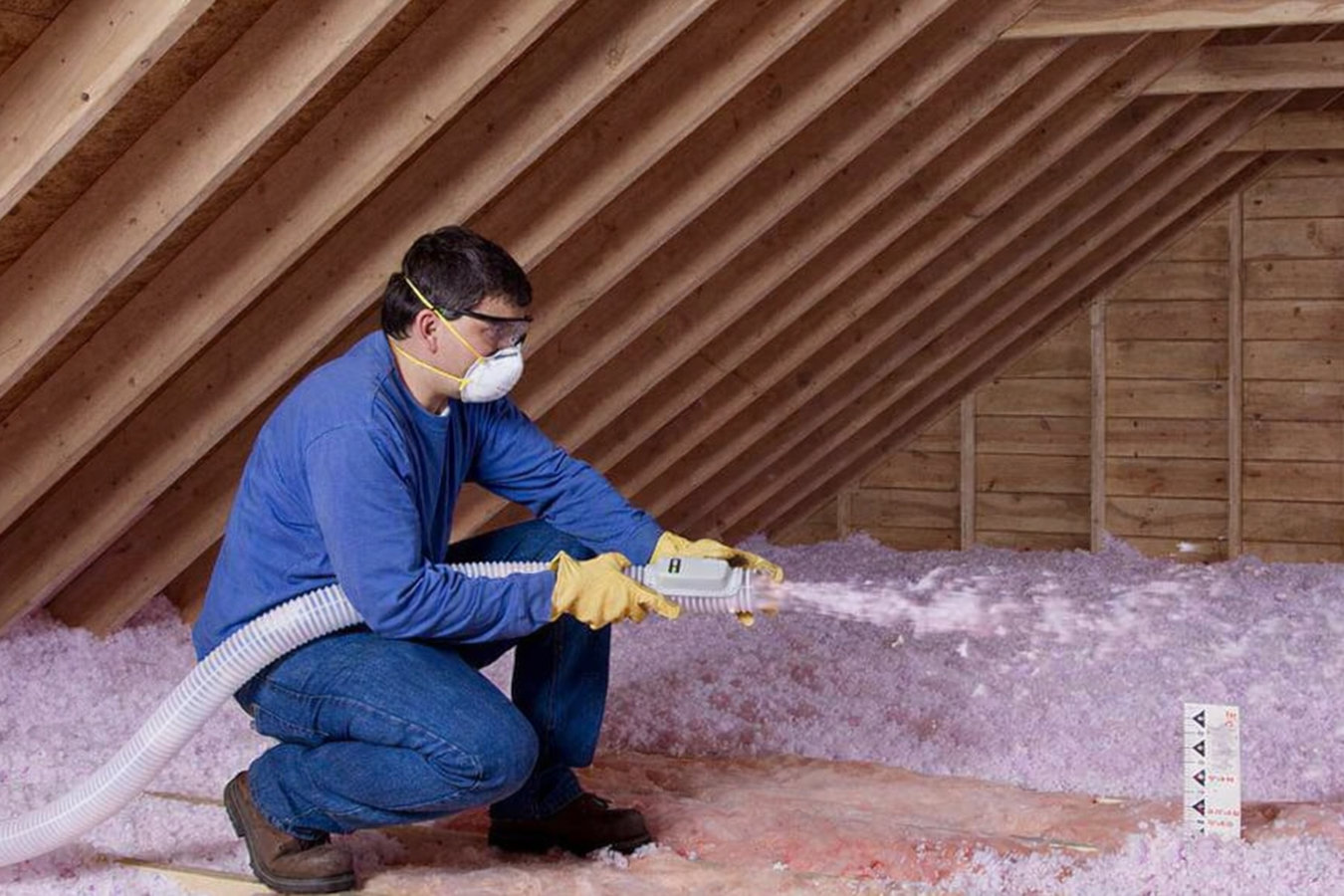
If your attic is under-insulated, every dollar you spend heating your home is working against you. Blown-in insulation fills gaps batt rolls can never reach and brings your home up to the coverage Pueblo's climate actually demands.
Blown-in insulation in Pueblo fills attic floors and wall cavities with loose cellulose or fiberglass, creating a complete thermal barrier where rigid batts leave gaps and cold corners - most attic jobs are finished in a single morning. Pueblo sits in a demanding climate zone: summers that push past 95 degrees and winters that can drop below zero mean your insulation is working hard in both directions, not just in winter. Many homes in older neighborhoods like Bessemer and the Eastside were built with little to no attic insulation and fall far short of what is now recommended.
Blown-in material is particularly effective in existing homes because it conforms around pipes, wires, and irregular framing without cutting or fitting. When paired with whole-home insulation work, it is one of the most cost-effective single upgrades a Pueblo homeowner can make.
If your heating or cooling costs have been rising without a clear explanation, your attic insulation may be letting conditioned air escape. Pueblo's long heating and cooling seasons make this cost pressure more noticeable than in milder climates.
Upstairs bedrooms or rooms directly under the roof that feel dramatically colder in winter or hotter in summer are a clear sign heat is moving through your ceiling. Pueblo's cold snaps, where overnight temperatures reach single digits, make this especially obvious.
Homes built in Pueblo's historic neighborhoods before 1980 often have little to no attic insulation by today's standards. If you can see the wooden attic joists clearly above the insulation material, you almost certainly need more coverage.
Hold your hand near a recessed light fixture on a cold day. If you feel air movement, warm air from your living space is leaking directly into the attic. This is an air-sealing and insulation problem that blown-in work addresses at the same time.
Blown-in insulation works in two main applications: attic floors and interior wall cavities. Attic work is the most common and delivers the fastest return, since heat rises and an under-insulated attic is typically the largest single point of heat loss in an older Pueblo home. Wall applications use the same loose-fill process, with small holes drilled to access each cavity, then patched and painted after the material is blown in.
A quality job always starts with air sealing before any material goes in. Closing gaps around light fixtures, pipes, and framing stops warm air from bypassing the insulation entirely. We also offer wall insulation as a standalone service for homes where the attic is already addressed but exterior walls still have cold spots.
Every project includes a depth check with ruler markers placed in the attic so you can verify coverage before we leave. You will know exactly what was installed and to what level.
Best for homes with accessible attics that need to reach recommended R-values.
Suited for existing homes where exterior walls have little or no insulation.
The right choice when gaps around fixtures and framing are reducing the insulation's effectiveness.
Pueblo sits at roughly 4,700 feet in the Arkansas Valley, with a semi-arid climate that produces both intense summer heat and sharp winter cold. The Department of Energy places Pueblo in a climate zone that calls for R-49 to R-60 in attics, more than what is required in warmer Front Range cities. Most homes in the Bessemer neighborhood, the Eastside, and the historic areas near Union Avenue were built between the 1900s and 1960s, when insulation requirements were far lower. Many of those attics have never been updated.
Pueblo is also one of Colorado's windiest cities. Wind-driven air infiltration pushes outside air through gaps in your home's shell and reduces the effectiveness of whatever insulation is already there. Air sealing combined with blown-in coverage addresses both problems at once. Homeowners in Canon City and Colorado Springs face similar conditions, and we serve both areas regularly.
The federal Energy Efficient Home Improvement Credit covers up to 30% of insulation material costs (capped at $1,200 per year) through 2032 for existing homes. Your contractor should be able to provide the documentation you need to claim it at tax time.
We respond within 1 business day. A quick conversation covers your home's age, what concerns you most, and whether a simple attic top-off is likely or a fuller assessment makes more sense.
We come to your home, spend 30 to 45 minutes in your attic, measure existing coverage, check for moisture or air-sealing issues, and give you a written estimate before any work is scheduled.
The crew runs a hose from their truck through your attic hatch. If air sealing is included, that happens first. Most Pueblo attic jobs are complete in a few hours with no need to leave your home.
Before we leave, we walk you through the attic so you can see the coverage yourself. Depth markers are left in place so you can verify the R-value at any time. No curing time, no downtime.
We respond within 1 business day. There is no obligation - just an honest assessment and a written estimate you can compare. After you submit, someone from our office will call to schedule a free on-site visit.
(719) 750-0080We work across the full region, from Canon City and Florence to Colorado Springs and Walsenburg. Local experience means we know what Pueblo's older housing stock actually looks like inside.
You receive a line-by-line estimate after the on-site assessment, not a ballpark over the phone. No price changes once work begins, and no pressure to add services you did not ask for.
We assess whether air sealing is warranted before recommending it. Skipping it when gaps exist makes the insulation less effective; adding it when gaps do not exist wastes your money.
The assessment visit costs nothing and commits you to nothing. Compare our estimate against others before deciding. A contractor who resists that comparison is one to avoid.
Blown-in insulation is straightforward work, but the difference between a job that performs for 20 years and one that falls short is in the details - correct depth, proper air sealing, and a final walkthrough so you can see exactly what was done. Contact us to schedule your free estimate.
A full-home insulation assessment that covers attic, walls, and floors together for the best overall efficiency improvement.
Learn moreRetrofit wall insulation fills the cavities in existing exterior walls without major reconstruction, targeting the cold spots blown-in attic work can not reach.
Learn moreHeating season is the fastest way to see the payback. Schedule your free estimate now before the fall rush fills our calendar.