Loading...
Serving Pueblo, CO and surrounding areas. (719) 750-0080
Pueblo summers push past 95 degrees and winters can drop below zero. Most homes in this city were not built to handle that range. A proper whole-home insulation assessment finds where you are losing ground and fixes it.
Home insulation in Pueblo addresses your entire thermal envelope, attic, walls, crawl space, and basement, starting with wherever your home is losing the most energy, and most projects are complete in one to two days without displacing you from your home. The attic is almost always the most important place to start: heat rises, and an under-insulated attic is typically the largest single point of loss in an older Pueblo home. Once the attic is addressed, walls and below-grade spaces are evaluated and upgraded as needed.
Insulation alone is only part of the picture. Air leaks around recessed lights, attic hatches, and pipe penetrations let conditioned air bypass even good insulation. That is why we combine insulation work with air sealing when the assessment warrants it. If your home already has some coverage but the existing insulation is damaged or compacted, removal and replacement is often the right call before adding anything new.
If neighbors with similar homes are paying noticeably less to heat and cool their homes, inadequate insulation is one of the first things to check. Pueblo's extreme temperature swings make a poorly insulated home work its HVAC system much harder than it should.
A bedroom that is always cold in January, or a corner of the living room that never cools down in July, often points to thin or missing insulation in that part of the house. This is especially common in older Pueblo homes where insulation was added unevenly over the decades.
Hold your hand near an electrical outlet on an exterior wall during a gusty Pueblo afternoon. A draft means air is moving through gaps in your wall cavity. Pueblo's persistent winds make this more noticeable here than in calmer climates and signal that both air sealing and insulation work are needed.
Step into your attic on a hot July afternoon. If the temperature is far hotter than the outside air, your attic insulation is inadequate. A poorly insulated attic in a Pueblo summer radiates heat down into your living space all evening, long after the outside air has cooled.
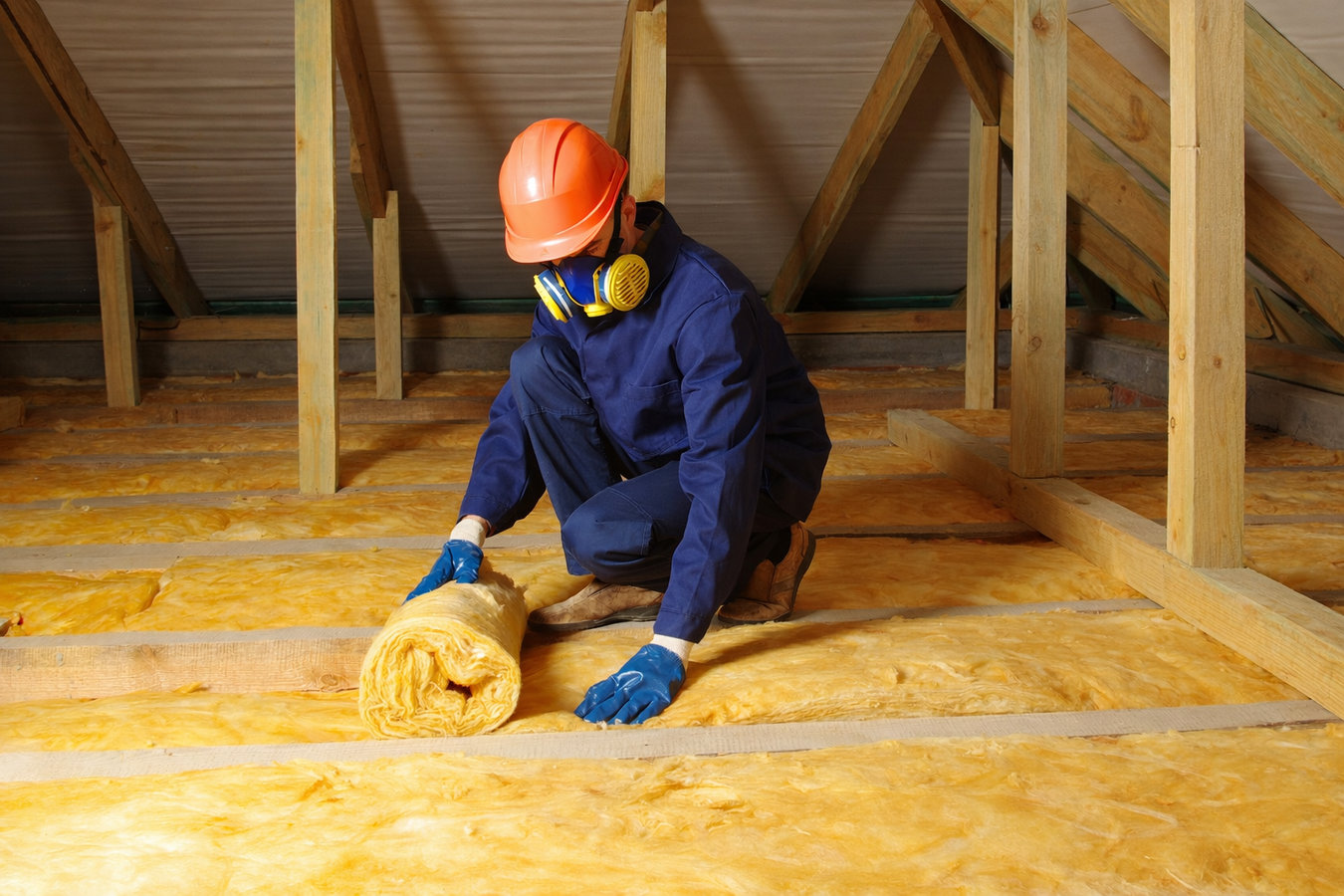
We handle the full range of residential insulation work. Attic insulation is where most projects start, using blown-in cellulose or fiberglass to bring coverage up to the R-values Pueblo's climate demands. For homes where walls are cold to the touch in winter, our retrofit insulation service adds material to existing wall cavities without tearing out drywall.
Below the living space, uninsulated crawl spaces and basements are a common source of cold floors and moisture issues in older Pueblo homes. We address both with the right combination of insulation and, where needed, vapor barriers. Every project starts with a written estimate that lays out exactly what is recommended and why, so you understand what you are deciding before any work begins.
Air sealing is included when the assessment finds gaps that would undermine the insulation's effectiveness. There is no upsell here: if your home is already reasonably tight, we say so and keep the scope focused on what will actually make a difference.
The highest-return upgrade for most Pueblo homes, where heat loss through an under-insulated ceiling is greatest.
Addresses cold exterior walls using blown-in techniques that avoid tearing out drywall.
Reduces cold floors and moisture-related issues in homes with uninsulated below-grade spaces.
Pueblo sits at roughly 4,700 feet in a semi-arid high-plains climate that produces summer temperatures regularly above 95 degrees and winter nights that drop well below zero. That is a wider seasonal swing than most of Colorado's Front Range cities, which means your insulation is under real pressure in both directions all year. Homeowners in Pueblo typically see faster payback on insulation upgrades than people in milder climates because the system is stressed year-round, not just in winter.
A large share of the housing stock in neighborhoods like Bessemer, the Eastside, and the older sections of the Northside dates from the 1940s through 1970s. Those homes were built under insulation standards that are far below what is now considered adequate. The dry, persistent winds that move through the Arkansas Valley corridor compound the problem: wind-driven air infiltration pushes outside air through gaps that insulation alone can not address. Homeowners in Fountain and Walsenburg face similar conditions across the region.
Black Hills Energy, the primary natural gas utility serving Pueblo, has offered rebate programs for qualifying insulation improvements in residential homes. It is worth checking their current offerings before scheduling work. The federal ENERGY STAR tax credit program also applies to qualifying insulation materials, and the IRS Energy Efficient Home Improvement Credit covers up to 30% of material costs through 2032.
We respond within 1 business day. A brief conversation covers your home's age and what has been bothering you, high bills, drafty rooms, or something specific. We schedule a free in-home visit from there.
We walk through your home, spend time in your attic, and check below-grade spaces as needed. The visit usually takes 30 to 60 minutes. You do not need to prepare anything. Just point out any rooms that feel consistently uncomfortable.
You receive a written estimate that explains every item recommended and why. This is the right time to ask questions, compare estimates from other contractors, and check whether current Black Hills Energy rebates apply to your project.
Attic jobs are typically done in a single day. Wall insulation takes a bit longer. Before leaving, we walk you through the finished work so you can see the coverage yourself. There is no curing time, and your home is fully functional the moment the crew drives away.
There is no obligation. We assess your home, give you a written estimate, and let you decide at your own pace. We respond within 1 business day and can typically schedule your assessment within a week.
(719) 750-0080We work from Pueblo through Canon City, Colorado Springs, Trinidad, and beyond. That regional reach means we have seen hundreds of homes in the same housing stock as yours and know what to look for.
Your written estimate breaks down every line item in plain language. Nothing changes once work starts. If something unexpected comes up during the assessment, you hear about it before we schedule anything.
We check for gaps before recommending air sealing. Adding it when your home is already reasonably tight wastes your money. Skipping it when gaps exist makes the insulation perform well below its rated value.
Homes built before 1980 in neighborhoods like Bessemer and the Eastside have specific conditions - irregular attic layouts, older materials, and plaster walls. We know how to work with them without unnecessary disruption.
The goal is simple: leave your home better insulated than we found it, show you the work before we leave, and make sure you understand what was done and why. A good insulation company gives you a written estimate up front and documents the finished work before you pay. Reach out to schedule your free assessment.
When old insulation is damaged, compacted, or contaminated, removal clears the way for a fresh installation that performs the way it should.
Learn moreRetrofit insulation adds coverage to finished walls and existing spaces without a major renovation, a common need in Pueblo's pre-1980 housing stock.
Learn moreSchedule your free estimate now. We serve Pueblo and the surrounding region and can typically book your assessment within a week.