
Loading...
Serving Pueblo, CO and surrounding areas. (719) 750-0080
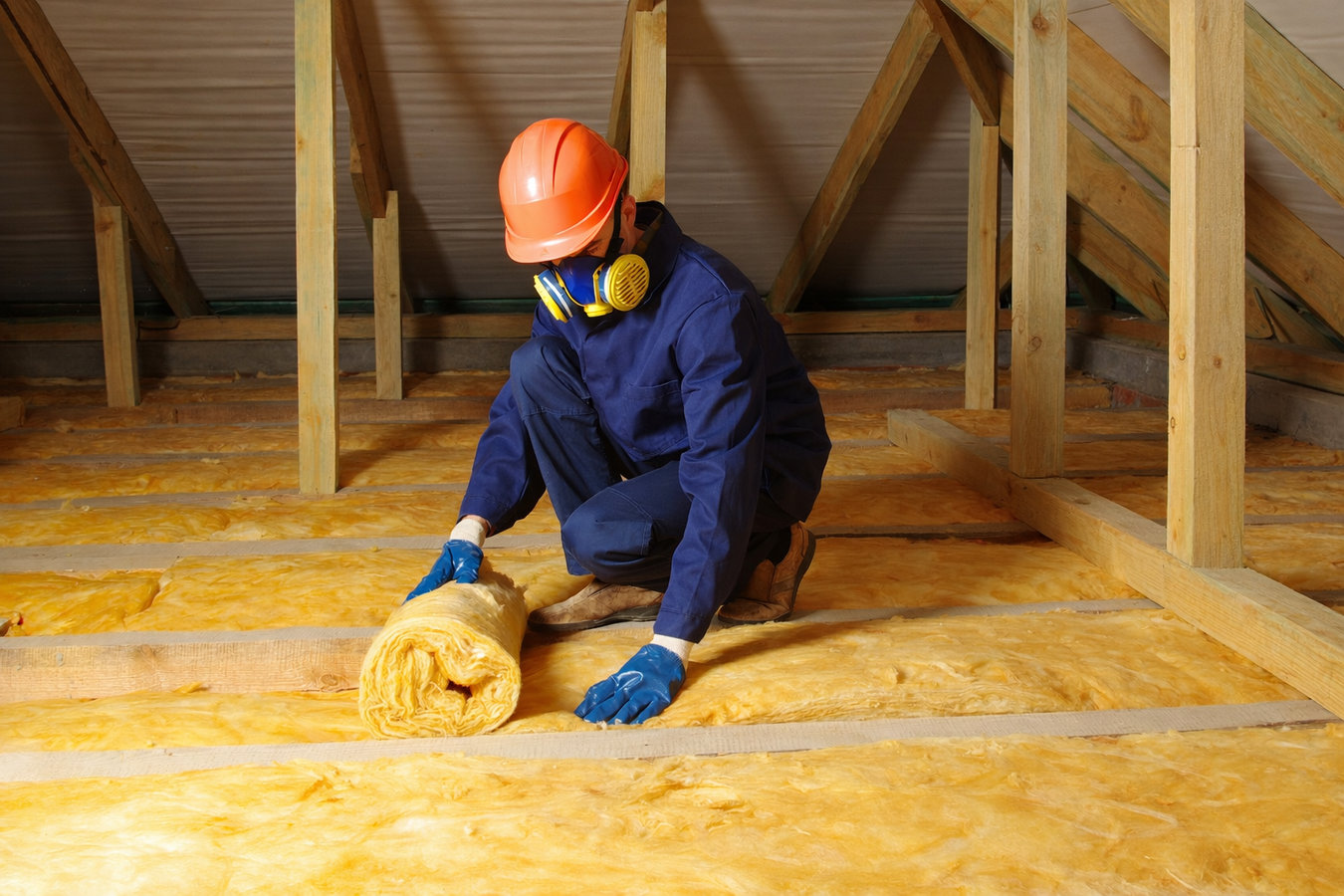
Pueblo Insulation serves Woodland Park, CO with attic insulation, spray foam, crawl space insulation, and whole-home services for properties at 8,465 feet. We respond to every estimate request within one business day and work on mountain homes regularly.
A complete home insulation assessment in Woodland Park looks at the attic, walls, crawl space, and rim joists together, because at 8,465 feet no single area can be ignored. Many 1970s and 1980s homes in this area were built with minimal coverage in all four zones, and each one compounds the others. Our home insulation service addresses the full envelope so you are not patching one gap while losing heat through another.
Woodland Park averages around 100 inches of snow per year, and a poorly insulated attic turns all that winter cold into a direct expense on your utility bill. The combination of heavy snow loads, intense UV exposure, and repeated freeze-thaw cycles degrades attic insulation faster here than at lower elevations. Bringing attic coverage up to the recommended R-value for this climate zone is almost always the single highest-return upgrade a Woodland Park homeowner can make.
Many Woodland Park homes have rim joists - the band of framing at the top of the foundation wall - that have never been insulated. That is a continuous cold air entry point running the perimeter of the house. Spray foam seals and insulates rim joists in a single pass and is also well-suited to crawl spaces and any irregular framing voids in mountain construction where standard batts leave gaps.
At 8,465 feet, even moderate wind events push cold air through gaps that would be inconsequential at lower elevation. Woodland Park homes with original wood lap or T1-11 siding develop gaps at seams and around penetrations over decades of freeze-thaw cycling. Air sealing at attic penetrations, top plates, and rim joists paired with insulation upgrades gives these homes the tight envelope they were never built with.
Woodland Park sits on rocky, shallow soil with poor drainage in many areas, and snowmelt in spring forces moisture toward foundations and crawl spaces. Many homes here are built on sloped lots with walk-out basements or partial crawl spaces that are completely uninsulated. Cold ground and damp soil under the floor keep first-floor rooms uncomfortable all winter, and insulating the crawl space corrects that problem directly.
Woodland Park sits at 8,465 feet in Teller County, and that elevation changes everything about how a home performs in winter. The air is thinner, which means furnaces work less efficiently than at lower altitudes. Snow loads average around 100 inches per year, and the heating season runs from October through April. Most homes built here in the 1970s through the 1990s were designed for mountain construction but not insulated to a standard that keeps up with the energy demands of a full mountain winter.
The freeze-thaw cycle in Woodland Park is more aggressive than anything on the Front Range below. Temperatures can swing above and below freezing multiple times in a single day during spring and fall, and that cycling opens gaps in framing, expands cracks in foundations, and breaks down the seals around penetrations over time. Homes that were reasonably tight when new develop air infiltration problems over decades that add up to real heat loss and real money on a propane bill.
Many Woodland Park homes rely on propane heat rather than natural gas, because gas lines do not reach all parts of Teller County. Propane costs more per BTU than natural gas, which means every improvement to a home's thermal envelope pays back faster here than in a lower-elevation community with utility gas. The business case for proper insulation is more straightforward in Woodland Park than almost anywhere in Colorado.
Mountain properties in Woodland Park require a different approach than the flat-lot suburban jobs we do on the Front Range. Sloped and wooded lots mean equipment access has to be planned around tree cover and grade changes. Walk-out basements built into hillsides create crawl space configurations that are irregular and often only partially accessible from one side. We plan for those conditions before we arrive, not when we get there.
Woodland Park is the main commercial hub on US Highway 24 between Colorado Springs and the mountain communities to the west. We know the homes on both sides of Ute Pass, from the older neighborhoods near downtown to the newer subdivisions on the west end toward Divide. Properties close to the City of Woodland Park permit office on Hwy 24 are handled differently from county properties in unincorporated Teller County - we confirm jurisdiction before scheduling.
We also serve Salida, CO and other mountain communities along the US 24 and US 285 corridors, so our crew is accustomed to high-elevation work on a regular basis - not as an occasional exception.
Reach out by phone or through our contact form and we will respond within one business day. We ask a few questions about your home's age, size, and what you have noticed so we arrive at the assessment prepared.
We visit your home, inspect the attic, crawl space, and rim joists, and tell you what is there now and where heat is escaping. There is no charge and no obligation. We also confirm whether your project requires a permit through the City of Woodland Park.
You receive a written estimate covering the recommended work, materials, and total cost with no vague line items. We explain every element and answer your questions without pressure. Most homeowners need a day or two to review, and we expect that.
The crew arrives on the scheduled day, protects your floors and belongings, completes the work, and walks you through the results before leaving. Most jobs are finished in a single day. For projects requiring propane-compatible equipment or sloped-lot access, we plan logistics in advance.
We serve Woodland Park and Teller County with free on-site estimates and written quotes. No obligation, no pressure.
(719) 750-0080Woodland Park is a city of about 7,700 people in Teller County, sitting at 8,465 feet on the eastern slope of the Rocky Mountains about 18 miles west of Colorado Springs on US Highway 24. The city calls itself the "City Above the Clouds", a nickname that reflects both its elevation and its identity as a genuine mountain community rather than a suburban extension of the Springs. Most residents are long-term homeowners who commute down Ute Pass into Colorado Springs for work.
The housing stock is predominantly single-family detached homes built between the 1970s and the early 2000s. Lots are typically wooded with ponderosa pine, often sloped, and many have walk-out basements built into the hillside. The surrounding Pike National Forest shapes both the character of the community and the landscape that every home sits in. Most neighborhoods within city limits are within a few minutes of the US 24 corridor through downtown, which hosts the city's commercial core.
Woodland Park is adjacent to Colorado Springs to the east, which is where many Woodland Park residents work and shop. The area also includes smaller mountain communities to the west along US 24 and connects southward through Teller County toward Canon City via Highway 67 through Cripple Creek.
Spray foam creates an air-tight seal that stops drafts and maximizes energy savings.
Learn moreProper attic insulation keeps heat where it belongs and cuts cooling costs all summer.
Learn moreBlown-in insulation fills gaps and odd-shaped cavities quickly without major disruption.
Learn moreSafe removal of old or damaged insulation before replacement or remediation.
Learn moreInsulating your crawl space reduces moisture problems and floor cold spots.
Learn moreWall insulation quiets outside noise and prevents energy loss through exterior walls.
Learn moreAir sealing closes the hidden gaps that let conditioned air escape your home.
Learn moreBasement insulation lowers heating bills and protects pipes from cold-weather damage.
Learn moreClosed-cell foam delivers the highest R-value per inch and acts as a moisture barrier.
Learn moreOpen-cell foam is a cost-effective option that also reduces interior sound transmission.
Learn moreSealing attic bypasses before adding insulation dramatically improves overall efficiency.
Learn moreVapor barriers protect your crawl space from ground moisture and mold growth.
Learn moreProfessional vapor barrier installation prevents moisture damage throughout your home.
Learn moreRetrofit insulation upgrades existing homes without removing walls or ceilings.
Learn moreCommercial insulation solutions for offices, warehouses, and mixed-use buildings.
Learn moreServing these cities and communities.
Mountain homes at this elevation lose heat fast. The sooner you have an accurate picture of where your insulation stands, the sooner you can do something about it.