
Loading...
Serving Pueblo, CO and surrounding areas. (719) 750-0080
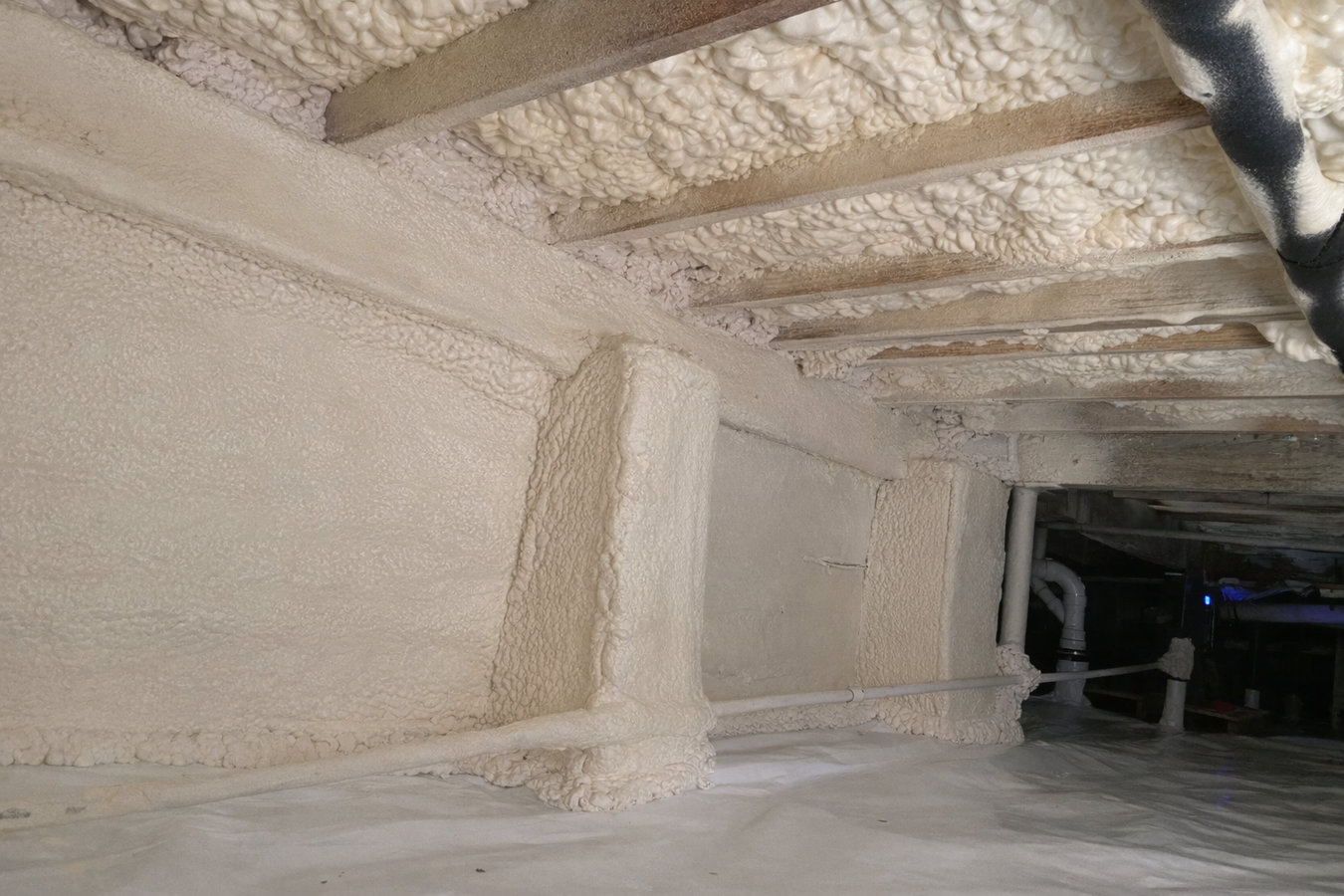
An uninsulated or failing crawl space pulls heat out of your floors all winter. We fix that - properly sealed and insulated in one to two days.
Crawl space insulation in Pueblo acts as a thermal blanket between the cold ground and your living floors - most jobs are completed in one to two days and the results are noticeable within the first heating cycle. Without it, Pueblo's winter cold conducts straight up through the floor into every room above the crawl space.
A significant share of Pueblo's older neighborhoods - Bessemer, the East Side, and the Blende area - were built between the 1920s and 1960s, when crawl space insulation was rarely installed at all. If your home is in one of those neighborhoods, the crawl space may have original fiberglass batts that have sagged, gotten wet, or been partially removed by plumbers over the decades. In that case, the job often starts with a proper insulation removal before new material goes in. If the work is part of a broader energy upgrade, we can also tie it into a crawl space vapor barrier installation to address ground moisture at the same time.
If stepping onto your kitchen or living room floor in winter feels like stepping onto a cold slab, the crawl space below has little or no working insulation. Pueblo winters are harsh enough that an uninsulated crawl space will pull heat right out of your floors - one of the most common complaints homeowners describe before getting the work done.
If your home develops a damp, earthy smell in July or August - near the floor or in rooms above the crawl space - moisture has likely entered the space below. Pueblo's summer monsoon pattern can push water against foundations that stay dry the rest of the year. That smell is a warning that moisture is sitting in the crawl space and affecting your home's air.
If your heating or cooling bills have crept up over the past few years and nothing obvious has changed, a failing crawl space is worth investigating. Insulation that has sagged, gotten wet, or been disturbed loses its thermal value, and your furnace works harder to compensate. This is especially common in Pueblo homes built before 1980.
Pueblo's cold snaps can be sudden and severe, and an uninsulated crawl space leaves water pipes exposed to freezing temperatures. If a pipe has already frozen, or a plumber has flagged your pipes as a risk, that is direct evidence the crawl space is not adequately protected. Proper insulation and air sealing around the perimeter makes a measurable difference.
We offer two main approaches, and the right one depends on your home's design and existing moisture situation. The traditional method insulates the floor joists above the crawl space, which is straightforward and effective for most Pueblo homes. Full encapsulation goes further: we seal the crawl space walls, floor, and vents, then condition the space as part of your home's thermal envelope. Encapsulation costs more but provides the best protection against both heat loss and moisture intrusion.
Moisture control is never a separate step from insulation - it is part of the same project. If there is standing water, active seepage, or elevated humidity, that gets addressed before any new material goes in. Adding insulation to a wet space traps humidity against wood and makes the problem worse. We also pair crawl space work with a crawl space vapor barrier on the ground as a standard part of most encapsulation projects. For homes where old insulation has deteriorated, we start with removal before installing anything new - a process coordinated with our wall insulation and broader home upgrade services when a full-home energy improvement is the goal.
Traditional method; suited for well-ventilated crawl spaces with minimal moisture concerns.
Best for homes with seasonal moisture, pest history, or homeowners wanting maximum energy savings.
Added to most encapsulation projects; blocks ground moisture from reaching the insulation above.
For crawl spaces with damaged, wet, or pest-contaminated existing insulation that must come out first.
Pueblo regularly sees summer highs above 95 degrees and winter lows that dip well below zero, making it one of the most thermally demanding climates in Colorado. That wide range puts constant stress on an under-insulated crawl space - your floors feel cold in January and the space bakes in July. Homeowners here tend to see faster, more noticeable comfort improvements after insulation than people in milder climates do.
Pueblo's soils contain significant clay content, which expands when wet and contracts when dry. This seasonal movement creates small gaps around foundation walls over time, giving ground moisture new pathways into the crawl space. Add in the summer monsoon pattern - brief but intense rainfall from July through September - and a crawl space without a properly sealed vapor barrier is vulnerable every year. A contractor familiar with local soil conditions will pay close attention to where the vapor barrier meets the foundation walls, because those seams are where problems tend to start in Pueblo homes.
We serve crawl space customers throughout the region, including Fountain, Security-Widefield, and Walsenburg. The older housing stock and clay-heavy soils are consistent across much of southern Colorado, and the same careful approach to moisture and insulation applies in each of those areas.
We respond within 1 business day. You will be asked basic questions about your home size and whether you have noticed moisture or pest issues, so we arrive prepared.
We enter the crawl space and check moisture levels, existing insulation, pest signs, and access difficulty. We walk you through findings and explain your options before quoting anything.
Old, wet, or damaged insulation comes out before anything new goes in. Installing over bad material traps moisture and defeats the purpose of the work.
The crew installs new insulation and the vapor barrier in one day for most standard jobs. Before leaving, they confirm the space is fully sealed and walk you through the finished work.
We respond within 1 business day. The estimate is completely free. After you submit, someone from our team will call to schedule an in-person visit - we look at the crawl space ourselves before we quote a price, so there are no surprises later.
(719) 750-0080Pueblo's clay-heavy soil shifts seasonally, and that movement creates gaps at foundation walls that let ground moisture into the crawl space. We have seen this pattern in homes across the city and know where to look when sealing the vapor barrier perimeter.
We pull required permits in Pueblo and schedule the city inspection - that independent check protects you. A permit also creates a paper trail that can help at resale. Contractors who skip permits are cutting corners somewhere else too.
Colorado's statewide energy code sets minimum thermal resistance requirements for crawl spaces in Pueblo's climate zone. We install to those minimums or above on every project, which also positions you to qualify for current utility rebates. See current standards at energyoffice.colorado.gov.
Standard crawl space insulation projects in Pueblo are finished in one to two days without disrupting your living areas. We give you a realistic schedule before the job starts - not a number designed to win the bid.
Every crawl space quote starts with an in-person assessment. We look at moisture, crawl space insulation condition, access, and soil conditions before putting a number on paper - so the price you agree to is the price you pay. Good additional guidance on moisture control in crawl spaces is available from the Building Science Corporation.
Pair crawl space work with wall insulation to address heat loss through your exterior walls in the same project.
Learn moreA sealed ground barrier is the first line of defense against the seasonal moisture that Pueblo's clay soils and monsoon rains push into crawl spaces.
Learn moreEvery Pueblo winter that passes with an uninsulated crawl space is money you cannot get back - call or submit a form now and we will get you a written quote within one business day.