
Loading...
Serving Pueblo, CO and surrounding areas. (719) 750-0080
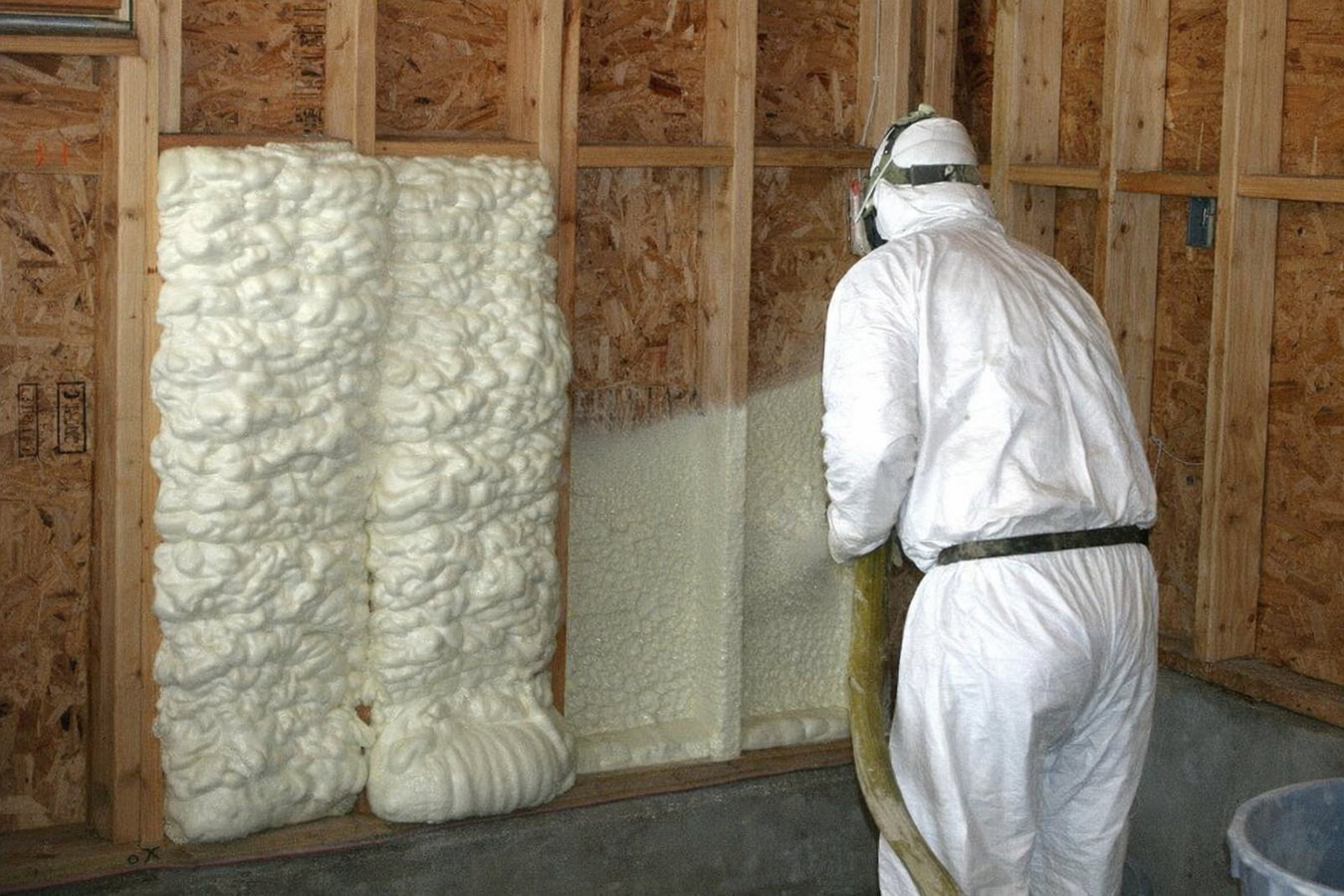
Drafty rooms and high bills in Pueblo usually come down to one problem: air moving through gaps your insulation does not cover. Open-cell foam fills those gaps permanently.
Open-cell foam insulation in Pueblo, CO is a spray-applied air barrier that expands to fill every crack and gap in your attic, walls, or crawl space - most residential jobs are completed in one to two days, and the results are visible and measurable before any drywall goes back up. Unlike fiberglass batts, which fill a cavity but leave gaps along the edges, open-cell foam conforms to irregular framing and seals the small pathways that batts simply cannot reach.
Many Pueblo homeowners contact us about open-cell foam after years of fighting rooms that never feel right, energy bills that spike with the seasons, or dust that seems to come from nowhere. Those symptoms almost always trace back to air moving through unsealed gaps in the home's envelope. Open-cell foam is one of the most effective ways to close those gaps permanently. If you are also considering closed-cell foam insulation, we can walk you through when each product makes more sense for your specific situation.
Installation requires your household to be out of the treated area for about 24 hours while the foam cures. After that, the space is safe, the smell is gone, and your home holds temperature the way it should.
If your Xcel Energy bill climbs sharply when Pueblo hits its summer highs or winter lows, your home is losing conditioned air faster than it should. Open-cell foam addresses air leakage and thermal resistance at the same time, attacking both causes of high heating and cooling costs.
If one bedroom stays too hot in July or one corner of the house stays cold all winter, the problem is usually uneven insulation or air leaks in that area. In Pueblo's older neighborhoods, this is especially common where original insulation has settled or was never installed consistently.
Hold your hand near an electrical outlet on an exterior wall on a cold, windy Pueblo day. If you feel a draft, air is moving through your wall cavity. The same test works around window frames, baseboards, and attic hatches. These are the exact gaps that open-cell foam is designed to seal for good.
If traffic noise or wind sounds louder than it used to, your home's envelope may have developed new gaps or existing insulation has degraded. Open-cell foam absorbs sound waves as well as air, so fixing the insulation problem also tends to quiet the house noticeably.
The most common application for open-cell foam in Pueblo homes is the attic. We spray the foam directly onto the attic floor, sealing every penetration around pipes, wires, light fixtures, and wall tops before any loose-fill insulation goes down. This combined approach gives you the air barrier that blown-in cellulose or fiberglass cannot provide on its own, and the result is an attic that stops acting like a vent for your conditioned air.
For wall applications in new construction or during gut renovations, open-cell foam is sprayed into the open stud bays before drywall goes up. The foam expands to fill the full cavity, and any excess is trimmed flush with the studs before finishing. Homeowners who have also scheduled attic air sealing at the same time often see the most dramatic improvement in comfort and energy bills, because both the ceiling plane and the wall assembly are addressed in a single project.
Open-cell foam is not the right choice for every location. In crawl spaces or below-grade walls where moisture is a factor, we typically recommend a denser product. When you call, describe the specific area you want treated and we will tell you honestly which material makes the most sense. If open-cell foam is not the right fit, we will say so before you spend a dollar.
Suits homes where air sealing the attic floor is the priority; foam seals penetrations before additional insulation is layered on top.
Best for new construction or gut renovations where stud bays are exposed and full cavity coverage is achievable in a single pass.
Pairs open-cell foam air sealing with blown-in insulation above for homes that need both thermal resistance and gap coverage.
Post-install infrared check confirms complete coverage with no voids or missed areas before the project is signed off.
Pueblo's climate is demanding. Summer highs push past 95°F and winter nights drop below zero, which means your home's envelope is under pressure from both directions for most of the year. That wide seasonal swing translates directly to high energy bills when your insulation has gaps, and Pueblo homes built before 1980 - a large share of the city's housing stock - were constructed long before modern air-sealing standards existed. Neighborhoods like Bessemer, the Eastside, and the areas around the Historic Arkansas Riverwalk are full of homes that have never had their attic floors properly sealed.
Pueblo's dry, windy climate also works in your favor when choosing open-cell foam. The primary concern with open-cell foam in humid climates is moisture absorption, but Pueblo averages only about 11 inches of rain per year. That low humidity reduces the moisture risk and makes open-cell foam a strong performer in above-grade applications here. The same dryness that takes a toll on roofing and exterior paint actually makes your attic and walls a good environment for open-cell foam to do its job without issue.
We serve homeowners across the region, including Pueblo, Colorado Springs, and Canon City. If you have been putting off insulation work because you were unsure which product fits your home, a free on-site assessment takes the guesswork out of it.
We respond within 1 business day. A quick conversation covers your home's age, which areas you want insulated, and any specific comfort problems you have noticed. No commitment required at this stage.
We visit your home and walk through the areas you want treated. We check existing insulation, identify gaps and penetrations, and flag any moisture or structural concerns before foam goes in. You leave with a written quote that explains exactly what we found.
Clear the work area and plan to be out of the treated space for 24 hours after spraying. Move stored items out of the attic or crawl space and ensure the crew has clear access. We provide a specific prep list for your job.
The crew sprays the foam in controlled passes until target depth is reached, then does a visual check to confirm complete coverage before packing up. Most Pueblo homes are finished in a single day. After the 24-hour curing period, you return home to a sealed, quieter house.
Free estimate. No pressure. We respond within 1 business day and bring a written quote to your door.
(719) 750-0080At nearly 4,700 feet above sea level, Pueblo's lower air pressure changes how spray foam expands. Our equipment is calibrated for local elevation on every job, so the foam sets correctly and coverage is consistent from edge to edge.
Our installers follow training guidelines from the Spray Polyurethane Foam Alliance, the industry body that sets installation and safety standards for foam work. That training is the difference between foam that performs for decades and foam that fails early.
We have completed open-cell foam jobs across Pueblo County and the surrounding region, including homes in historic neighborhoods and newer subdivisions alike. That range of experience means we rarely encounter a situation we have not seen before.
Every job starts with a written estimate that describes exactly what areas we are treating, what depth of foam we are applying, and the total cost. No surprises after the crew leaves. If the scope needs to change on-site, we tell you before we adjust it.
These are not claims we make on a website and then walk away from. Every open-cell foam job we complete in Pueblo is backed by a visual inspection before we pack up, and we welcome questions before, during, and after the work. You get a written estimate up front and a documented record of the finished job before you pay.
Close the gaps in your attic floor around pipes, wires, and fixtures before they let Pueblo's cold air push through your ceiling all winter.
Learn moreDenser and more moisture-resistant than open-cell, closed-cell foam is the right choice for crawl spaces, below-grade walls, and areas where vapor control matters.
Learn moreEvery week without proper air sealing costs you money on heating and cooling. Call us today or submit an estimate request and we will get back to you within 1 business day.