
Loading...
Serving Pueblo, CO and surrounding areas. (719) 750-0080
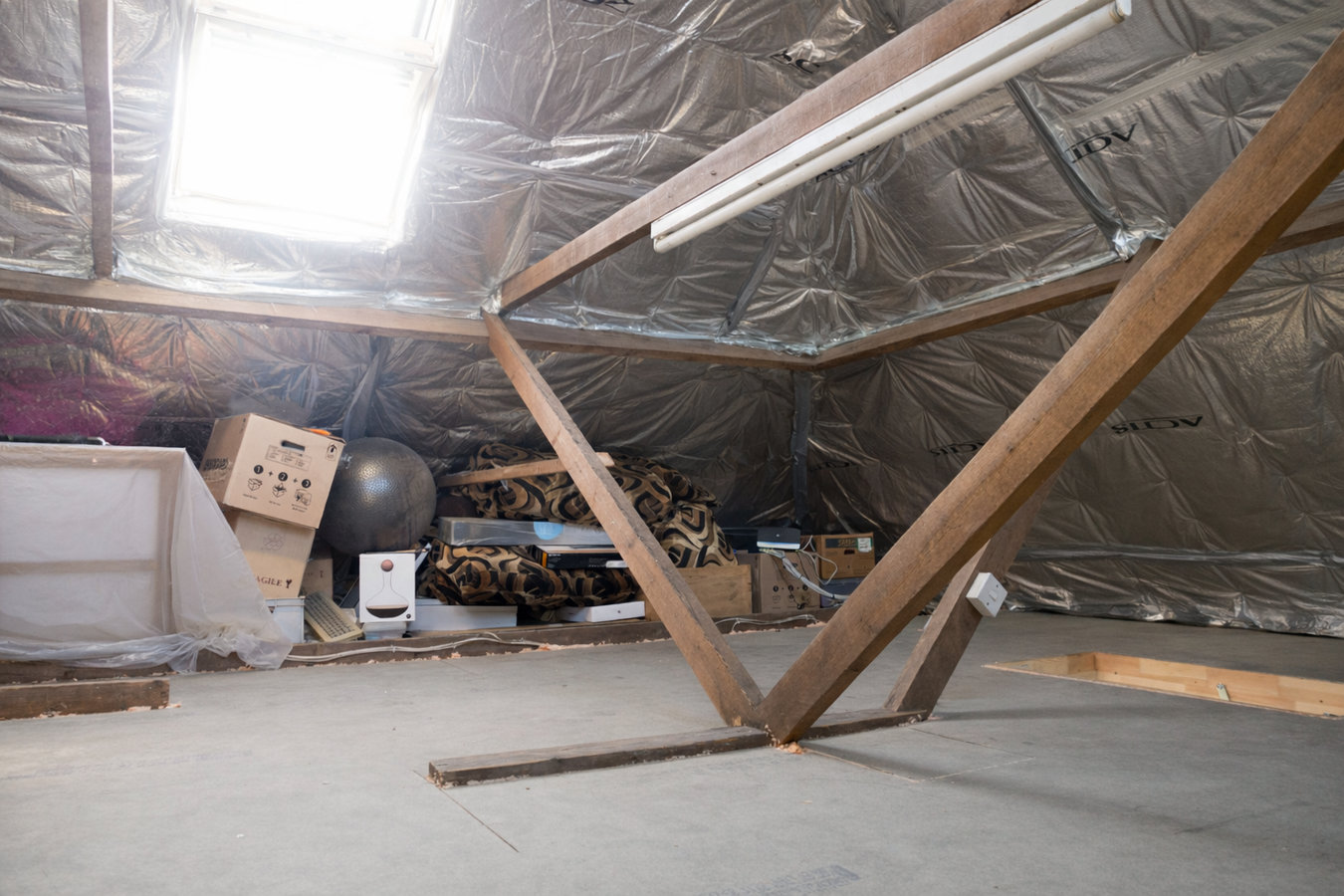
Pueblo Insulation provides attic insulation, spray foam, crawl space services, and whole-home upgrades for Manitou Springs properties at 6,320 feet. We work on steep-lot canyon homes and historic construction regularly, and we respond to every estimate request within one business day.
Most Manitou Springs homes were built between the 1870s and 1920s with minimal or no attic coverage. At 6,320 feet, an under-insulated attic transfers heat out in winter and bakes the living space in summer, and the UV exposure at altitude degrades original material faster than homeowners expect. Our attic insulation service brings Manitou Springs attics up to the R-value recommended for this Front Range canyon climate and is always the highest-return starting point for older properties here.
The stone foundations and original wood framing common throughout Manitou Springs develop infiltration gaps over more than a century of freeze-thaw cycling. Spray foam is the most effective way to seal rim joists, crawl space walls, and the irregular voids around pipes and wires in historic construction where standard batts leave cold-air pathways. It is also the best choice for homes near Fountain Creek where crawl spaces need an air-tight seal alongside moisture control.
A whole-home insulation assessment in Manitou Springs covers the attic, walls, crawl space, and rim joists together. Homes built into canyon hillsides often have partial crawl spaces on one side and walk-out conditions on another, which means the envelope is irregular and can only be evaluated in person. Addressing all four areas together makes a measurable difference in comfort and utility costs rather than patching one gap while losing heat through another.
Manitou Springs properties on the canyon floor sit close to Fountain Creek, and hillside homes have crawl spaces cut directly into rocky slope fill. Both conditions create moisture risk that standard crawl space insulation alone cannot address. We assess drainage and vapor conditions before recommending insulation so the work holds up through the spring snowmelt runoff that has historically raised Fountain Creek quickly.
The canyon geography around Manitou Springs funnels air off Pikes Peak directly into the streets and through every gap in older construction. Homes with original wood lap siding or stucco over wood framing develop infiltration points at every seam and penetration over decades. Air sealing at attic penetrations, top plates, and around electrical boxes paired with insulation upgrades gives these homes the tight envelope their original construction never provided.
Manitou Springs is tucked into a narrow canyon at the base of Pikes Peak at 6,320 feet in El Paso County. The city was developed as a resort town starting in the 1870s, and the great majority of its housing stock reflects that origin: Victorian cottages, Queen Anne homes, and Craftsman bungalows built more than 100 years ago with construction methods that predate modern insulation standards by decades. Stone foundations and original wood framing are the norm rather than the exception here, and they behave very differently than modern stick-frame construction when it comes to thermal performance.
The canyon setting concentrates weather effects that are already significant at 6,000 feet. The city averages around 60 inches of snow per year, and temperatures drop below freezing regularly from November through March. Rapid spring snowmelt fills Fountain Creek quickly, and the canyon geometry funnels wind off Pikes Peak through the streets and into every gap in older construction. UV exposure at this elevation also degrades exterior materials and original insulation faster than owners moving from lower-elevation towns expect.
The tourism economy - built around the Manitou Incline, Pikes Peak, and the mineral springs - means the city has a significant short-term rental inventory alongside full-time residential properties. Vacation homes that sit empty between guest stays lose heat through every unsealed gap, and the combination of high home values and meaningful utility costs makes insulation upgrades particularly cost-effective for Manitou Springs property owners in both categories.
Manitou Springs properties on steep hillsides and canyon walls require site-specific planning that flat-lot suburban jobs never need. We assess driveway grade, lot access, and material staging before the crew arrives - not when the truck gets stuck on a narrow side street above Ruxton Avenue. Many homes here have short, steep driveways or no driveway at all, and we plan around those conditions as a standard part of the job rather than treating them as surprises.
US Highway 24 through Ute Pass connects Manitou Springs to the broader Front Range and is the primary route for crews traveling from the Pueblo area. We are familiar with the older neighborhoods near the mineral springs in the center of town as well as the properties climbing the canyon walls on both sides of Fountain Creek. The permit process for standard insulation work runs through the City of Manitou Springs Building Department, and we confirm requirements at the assessment visit.
We also serve Woodland Park to the west along US-24, where the elevation climbs further and the mountain home construction challenges are similar. Homeowners in both communities benefit from the same approach: site-specific planning, access logistics worked out before arrival, and insulation recommendations grounded in what high-elevation canyon construction actually requires.
Reach out by phone or through our contact form. We respond within one business day and ask about your home's age, size, and access conditions so we arrive at the assessment ready to work around the specific challenges of your property.
We visit your home, inspect the attic, crawl space, and rim joists, and tell you exactly what is there and where heat is being lost. For canyon properties we assess driveway and lot access during this visit to plan equipment staging before the job starts. There is no charge and no obligation.
You receive a written estimate covering the recommended work, materials, and total cost with no vague line items. We explain access-related logistics and any permit requirements through the City of Manitou Springs before you commit to anything. Most homeowners take a day or two to review.
The crew arrives on the scheduled day with equipment staged appropriately for your lot. We protect your floors and belongings, complete the work, and walk you through the results before leaving. Most attic and crawl space jobs finish in one day even on Manitou Springs properties with limited access.
We serve Manitou Springs and El Paso County with no-obligation on-site assessments. Responses within one business day. We plan for steep-lot and canyon access as standard practice.
(719) 750-0080Manitou Springs is a city of roughly 5,000 people tucked into the mouth of Ute Pass at the base of Pikes Peak, sitting at approximately 6,320 feet in El Paso County. The city grew as a resort destination starting in the 1870s, built around its natural carbonated mineral springs and the spectacular setting directly beneath Colorado's most famous mountain. That origin shaped the housing stock: Victorian and Queen Anne homes, Craftsman cottages, and small single-family houses built on steep terrain with little flat ground anywhere in town. Manitou Springs is well-documented as one of Colorado's most distinctive small cities.
The residential mix includes full-time owner-occupied homes, a growing short-term rental market tied to the Manitou Incline and Pikes Peak tourism, and properties that have been converted from vacation to long-term rental use over time. Stone and masonry construction is widespread in older sections of town, particularly near the center where native sandstone was used for both commercial buildings and residential foundations. Small lot sizes, steep driveways, and narrow streets are consistent throughout the older neighborhoods.
Manitou Springs sits at the eastern gateway to Ute Pass, and the communities along that corridor share similar climate and construction characteristics. Colorado Springs borders Manitou Springs to the east and south, and homeowners in both communities face the same Front Range elevation climate: cold winters, intense UV exposure, afternoon summer thunderstorms with occasional hail, and the persistent freeze-thaw cycling that is hardest on older construction.
Spray foam creates an air-tight seal that stops drafts and maximizes energy savings.
Learn moreProper attic insulation keeps heat where it belongs and cuts cooling costs all summer.
Learn moreBlown-in insulation fills gaps and odd-shaped cavities quickly without major disruption.
Learn moreSafe removal of old or damaged insulation before replacement or remediation.
Learn moreInsulating your crawl space reduces moisture problems and floor cold spots.
Learn moreWall insulation quiets outside noise and prevents energy loss through exterior walls.
Learn moreAir sealing closes the hidden gaps that let conditioned air escape your home.
Learn moreBasement insulation lowers heating bills and protects pipes from cold-weather damage.
Learn moreClosed-cell foam delivers the highest R-value per inch and acts as a moisture barrier.
Learn moreOpen-cell foam is a cost-effective option that also reduces interior sound transmission.
Learn moreSealing attic bypasses before adding insulation dramatically improves overall efficiency.
Learn moreVapor barriers protect your crawl space from ground moisture and mold growth.
Learn moreProfessional vapor barrier installation prevents moisture damage throughout your home.
Learn moreRetrofit insulation upgrades existing homes without removing walls or ceilings.
Learn moreCommercial insulation solutions for offices, warehouses, and mixed-use buildings.
Learn moreServing these cities and communities.
Contact Pueblo Insulation today for a free on-site estimate in Manitou Springs. We handle canyon access, historic construction, and steep-lot logistics as standard practice, and we schedule within one business day.