
Loading...
Serving Pueblo, CO and surrounding areas. (719) 750-0080
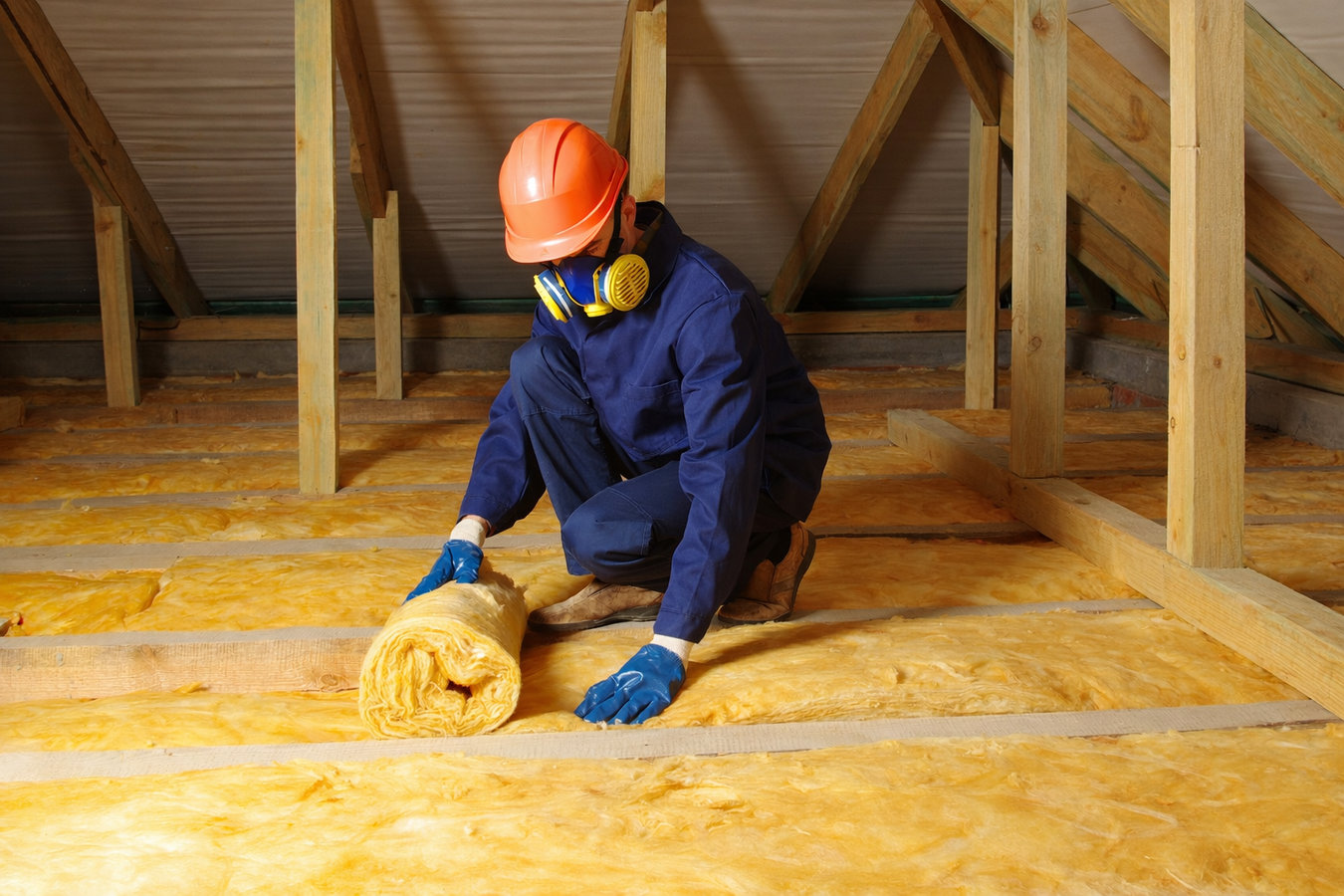
Pueblo Insulation brings home insulation, spray foam, attic upgrades, and crawl space work to Colorado Springs, CO. We are locally owned and have served the southern Colorado region since 2022 with free estimates and no-pressure assessments.
Colorado Springs homes built between 1950 and 1990 - a large share of the city's housing stock - are now old enough that their original insulation is at or past the end of its useful life. A whole-home insulation assessment covers your attic, walls, crawl space, and basement to identify where you are losing the most energy and what material makes the most sense in each location. Read about our home insulation service for a full breakdown of how that process works.
Colorado Springs sits at over 6,000 feet, and at that elevation UV radiation breaks down roofing materials and caulk faster than at lower altitudes, creating more air infiltration points near your attic. Upgrading attic insulation is typically the single highest-return project for Colorado Springs homeowners because it addresses the space where the greatest heat loss occurs. We assess what is already in your attic before recommending any material.
Older Colorado Springs homes in neighborhoods like the Old North End and the Westside have framing that has settled and shifted through decades of freeze-thaw cycles, creating irregular gaps that batts and blown-in insulation do not fill reliably. Spray foam conforms to those shapes and seals air leaks at the same time, which is especially valuable in homes where caulking around windows and penetrations has degraded from the city's intense UV exposure.
Colorado Springs averages about 300 days of sunshine per year, and at over a mile above sea level that UV exposure degrades exterior caulk and sealants faster than most homeowners expect. As those seals fail, outside air infiltrates through gaps that insulation alone cannot fix. We seal attic bypasses, rim joists, and window-frame penetrations as part of any insulation project where air infiltration is a factor.
The expansive clay soils common throughout the Colorado Springs area shift with moisture cycles, which stresses crawl space structures and creates paths for outside air to circulate under the home. An uninsulated crawl space transfers cold directly to your floors and forces your heating system to work harder through the long Front Range winters. We insulate and seal crawl spaces to close off that pathway.
Colorado Springs sits at over 6,000 feet above sea level, and that elevation changes the physics of homeownership in ways that contractors from lower-altitude markets may not account for. UV radiation is roughly 25 percent stronger at this altitude than at sea level, which means exterior caulk, sealants, and roofing materials break down faster than most manufacturers' warranty assumptions. As those seals fail, gaps open up that let outside air infiltrate - gaps that insulation alone does not fix.
A large portion of Colorado Springs homes were built between 1950 and 1990. At 35 to 70 years old, original insulation in those homes is often at or past the end of its useful life - settled, compacted, or compromised by decades of moisture, pests, or renovation work that disturbed it. The Old North End neighborhood has homes dating to the 1890s and 1930s, many of which have never had a proper insulation upgrade. The city's expansive clay soils also shift with moisture cycles, stressing crawl space structures and creating new air infiltration paths each freeze-thaw season.
Colorado Springs also sits in a part of the country that sees significant hail activity. A major hail event can breach a roof and compromise the attic below, but many homeowners address the roof damage and leave the insulation impact uninspected. The ENERGY STAR sealing and insulation guide is a useful starting reference for understanding how these factors interact with your home's thermal performance.
When insulation projects in Colorado Springs require a permit, we work with the Colorado Springs Building and Community Development department. We know which project types typically require one and handle the paperwork so you do not have to navigate that process on your own.
We work on homes throughout Colorado Springs - from the large Victorian and Craftsman homes in the Old North End near downtown, to the stucco-sided ranch homes in areas south of the city toward Fort Carson, to the newer subdivisions in Briargate and Northgate near the Air Force Academy on the north side. Each part of the city presents different construction styles and different insulation challenges, and we encounter each of them regularly.
Colorado Springs is part of the same southern Colorado region we have served since 2022, and we travel this corridor regularly. Homeowners in Security-Widefield just south of the city contact us frequently, and we bring the same approach to every job regardless of which community it is in.
Reach out by phone or through the contact form. We respond within one business day. We ask a few quick questions about your home - its age, size, and what you have noticed - so we are prepared when we arrive.
We visit your home, inspect the attic, crawl space, and relevant walls, and tell you exactly what condition your current insulation is in and where the biggest gaps are. The visit is free with no obligation. We also confirm whether your specific project needs a permit in Colorado Springs.
You receive a written estimate that explains every line item in plain language - material, area covered, and total cost. We explain why we are recommending each item. Ask us about federal energy efficiency tax credits that may apply to qualifying insulation upgrades.
The crew arrives on the scheduled day, protects your home, and completes the work. Before leaving, we walk you through what was done so you can see the results directly. Most jobs finish in a single day.
We serve Colorado Springs with free in-home assessments and written estimates. No pressure, no hidden charges. Call or send a message and we will respond within one business day.
(719) 750-0080Colorado Springs is Colorado's second-largest city, with about 480,000 residents spread across a wide geographic area at the base of Pikes Peak. The city has grown significantly over the past two decades, adding large master-planned communities in the north and northeast while preserving older, established neighborhoods closer to downtown. That mix - century-old homes in the Old North End alongside homes built just a few years ago in Flying Horse - makes for a housing stock with highly varied insulation needs. The Colorado Springs Wikipedia article covers the city's geography, neighborhoods, and growth in detail.
The city's neighborhoods vary considerably in housing character. The Old North End and the Westside have large older homes on tree-covered streets, many with wood siding, original foundations, and vintage construction details that require a different approach than modern stucco-sided homes. Briargate and Northgate on the north side are newer communities near the Air Force Academy and the United States Air Force Academy, with newer homes that are now old enough for their first major maintenance cycle. Near Fort Carson on the south side, a higher concentration of rental properties means landlords and property managers are often the ones making insulation decisions.
Colorado Springs connects naturally to the communities around it along the Front Range. We serve homeowners in Manitou Springs to the west as well, where the housing stock is even older and the mountain proximity creates its own set of moisture and temperature challenges.
Spray foam creates an air-tight seal that stops drafts and maximizes energy savings.
Learn moreProper attic insulation keeps heat where it belongs and cuts cooling costs all summer.
Learn moreBlown-in insulation fills gaps and odd-shaped cavities quickly without major disruption.
Learn moreSafe removal of old or damaged insulation before replacement or remediation.
Learn moreInsulating your crawl space reduces moisture problems and floor cold spots.
Learn moreWall insulation quiets outside noise and prevents energy loss through exterior walls.
Learn moreAir sealing closes the hidden gaps that let conditioned air escape your home.
Learn moreBasement insulation lowers heating bills and protects pipes from cold-weather damage.
Learn moreClosed-cell foam delivers the highest R-value per inch and acts as a moisture barrier.
Learn moreOpen-cell foam is a cost-effective option that also reduces interior sound transmission.
Learn moreSealing attic bypasses before adding insulation dramatically improves overall efficiency.
Learn moreVapor barriers protect your crawl space from ground moisture and mold growth.
Learn moreProfessional vapor barrier installation prevents moisture damage throughout your home.
Learn moreRetrofit insulation upgrades existing homes without removing walls or ceilings.
Learn moreCommercial insulation solutions for offices, warehouses, and mixed-use buildings.
Learn moreServing these cities and communities.
Every month you delay an insulation upgrade is another month of energy bills you do not need to pay. Call Pueblo Insulation or send us a message and we will schedule your free Colorado Springs assessment.