
Loading...
Serving Pueblo, CO and surrounding areas. (719) 750-0080
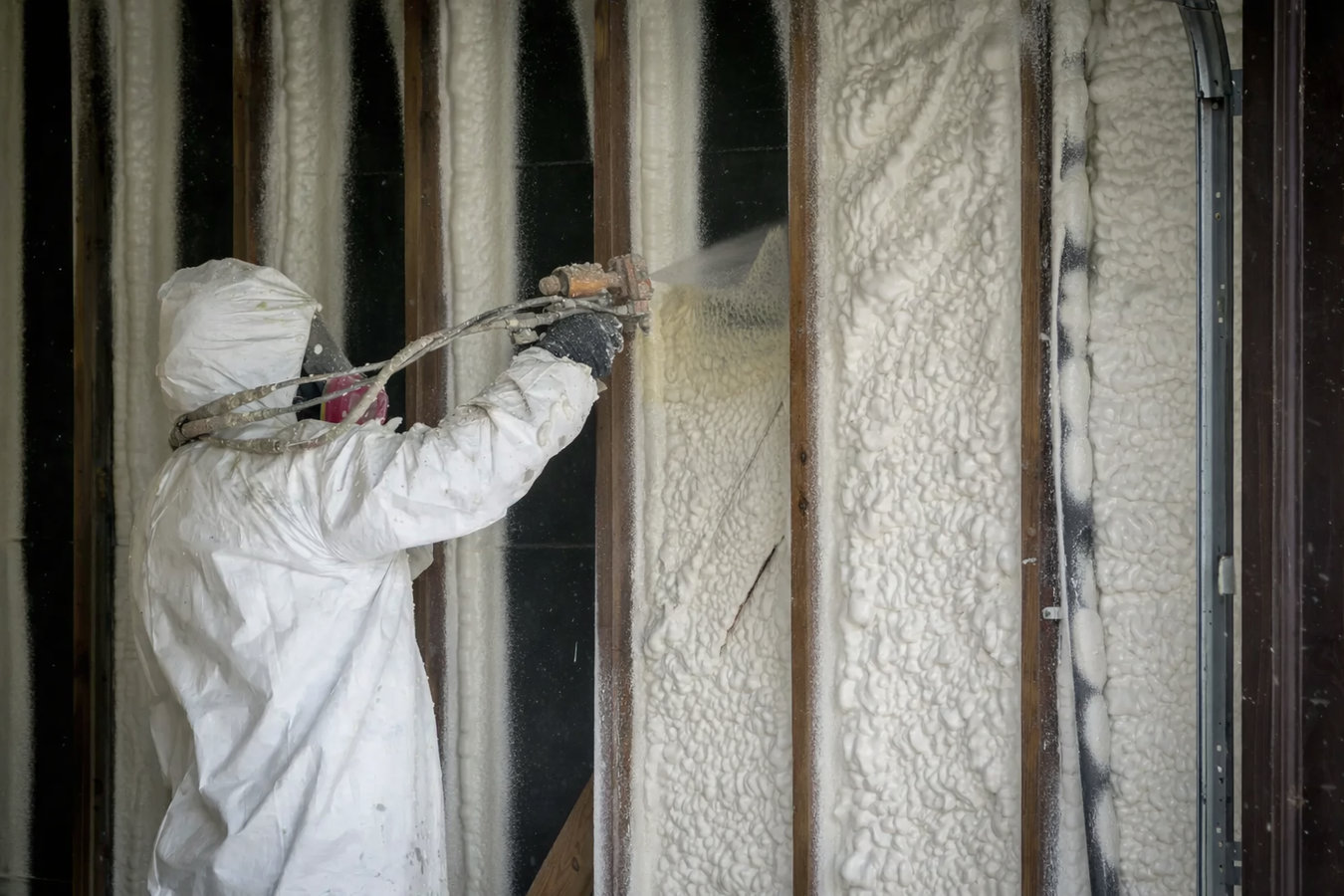
Pueblo Insulation brings spray foam, attic insulation, crawl space services, and whole-home upgrades to Salida and Chaffee County. We serve railroad-era historic homes and newer mountain properties throughout the Upper Arkansas Valley, with responses to every estimate request within one business day.
Salida's century-old homes have wood framing that has shifted and settled over decades, leaving gaps around pipes, wires, and structural members that batts and blown-in material cannot fully fill. Our spray foam insulation service is the most effective way to seal those irregular voids and the rim joists that run the perimeter of older Salida foundations, where cold air enters continuously during the heating season.
At 7,050 feet, Salida's attic insulation works harder than in any lower-elevation Colorado city. January lows average 14°F and the combination of heavy snow loads and intense UV at altitude degrades blown-in material faster than homeowners expect. Bringing attic coverage up to the R-value recommended for this climate zone is the single upgrade that delivers the most consistent return on a Salida utility bill.
A whole-home insulation assessment in Salida looks at the attic, walls, crawl space, and rim joists together. The Victorian and Craftsman homes near downtown were built with little separation between the living space and the elements, and gaps compound each other. Addressing the full envelope rather than a single area makes a measurable difference in comfort by the first heating season after the work.
Many Salida homes sit on pier-and-beam foundations or have partial crawl spaces left completely uninsulated. The Arkansas River valley floor stays cold well into spring, and an uninsulated crawl space transfers that cold directly into your floors and the pipes running beneath them. Insulating and sealing the crawl space eliminates the cold-floor problem and protects plumbing from freeze events during Salida's hard winters.
Salida's semi-arid climate and low annual precipitation mean the main air infiltration driver is not moisture - it is wind. The Upper Arkansas River Valley funnels cold air through gaps in older homes that are not apparent until a January storm hits. Air sealing at attic penetrations, top plates, and around electrical penetrations paired with insulation upgrades gives Salida's older homes the thermal control they were never built with.
Salida sits at 7,050 feet in the Upper Arkansas River Valley, and its climate pushes hard on homes from both directions. January lows average around 14°F, the heating season runs from October through April, and summer brings intense UV exposure at altitude that degrades roofing and exterior materials faster than homeowners used to lower-elevation towns expect. The combination means insulation here has to perform in extreme heat, extreme cold, and everything in between.
A large share of Salida's housing stock dates to the late 1800s and early 1900s, when the city grew as a railroad hub for the Denver and Rio Grande Western Railroad. These homes were built before modern insulation existed as a concept. Original wood framing has shifted over a century of freeze-thaw cycling, creating infiltration paths around every pipe, wire, and structural connection that were never there when the house was new. Salida's semi-arid climate also means annual precipitation is low, so the main enemy is wind infiltration rather than moisture.
Many Salida homeowners heat with propane, particularly in the newer subdivisions on the edges of town where utility gas lines do not reach. Propane costs significantly more per BTU than natural gas, which means every improvement to the home's thermal envelope pays back faster here than in a city with gas service. Homeowners who have made insulation upgrades in Salida routinely report that the savings on propane costs alone justify the investment within a few heating seasons.
We work regularly on the historic Victorian and Craftsman homes near Salida's National Register Historic District, where century-old construction means tight lot access, original wood framing, and no two homes with the same crawl space configuration. We plan material staging and equipment access around the narrow streets and compact lots that are typical of the downtown blocks before we arrive on the job.
US Highway 50 is the main artery through Salida and the route crews travel from both directions. We know the homes along the Arkansas River corridor as well as the newer ranch-style subdivisions on the west and south edges of town. Properties near Monarch Mountain, roughly 20 miles west on US-50, also fall within our service range for the Chaffee County area.
Salida has a notable short-term rental inventory driven by the outdoor recreation economy: Arkansas River rafting season in summer, skiing at Monarch Mountain in winter, and mountain biking and hiking year-round. We schedule around rental calendars for homeowners who need the work done between guest stays and communicate the full scope before the crew arrives so there are no surprises. We also serve Canon City and the Fremont County communities to the southeast, which share similar high-plains canyon climate conditions.
Reach out by phone or through our contact form. We respond within one business day and ask about your home's age, size, and what you have noticed so we arrive at the assessment prepared.
We visit your home, inspect the attic, crawl space, and rim joists, and tell you exactly what is there and where heat is being lost. There is no charge and no obligation. We also confirm whether your project requires a permit through the City of Salida.
You receive a written estimate that covers the recommended work, the materials, and the total cost with no vague line items. We explain every recommendation in plain language and expect questions. Most homeowners need a day or two to review.
The crew arrives on the scheduled day, protects your floors and belongings, completes the work, and walks you through the results before leaving. Most attic and crawl space jobs are finished in a single day. For historic homes with access limitations, we plan logistics in advance.
We serve Salida and Chaffee County with no-obligation on-site assessments. Responses within one business day.
(719) 750-0080Salida is a city of roughly 5,900 people in Chaffee County, Colorado, sitting at 7,050 feet in the Upper Arkansas River Valley where the Sawatch Range rises to the west. The city grew as a Denver and Rio Grande Western Railroad division point in the late 1800s, and its downtown reflects that heritage: Victorian-era brick storefronts, Craftsman bungalows, and wood-framed residences that line the compact blocks between F Street and the Arkansas River. The Salida Historic District is listed on the National Register of Historic Places and is one of the largest such districts in Colorado.
The housing stock is split between the dense historic core near downtown - small lots, close-set homes, century-old construction - and newer ranch-style and contemporary subdivisions on the north, west, and south edges of town built primarily between the 1990s and 2010s. Both types present distinct insulation challenges: the old homes have air infiltration problems that have accumulated over a century, while the newer homes are reaching the age where original insulation has settled and mechanical systems need their first major efficiency upgrades.
Salida draws residents and visitors through its outdoor recreation economy, particularly Arkansas River whitewater rafting and proximity to Monarch Mountain. That recreation base has driven a meaningful short-term rental and vacation home market alongside the full-time residential population. Property owners in both categories will find that the insulation demands of a 7,000-foot mountain climate are consistent regardless of how much time they spend in the home. Communities along the US-50 corridor, including Pueblo to the southeast, share parts of the same regional climate pattern.
Spray foam creates an air-tight seal that stops drafts and maximizes energy savings.
Learn moreProper attic insulation keeps heat where it belongs and cuts cooling costs all summer.
Learn moreBlown-in insulation fills gaps and odd-shaped cavities quickly without major disruption.
Learn moreSafe removal of old or damaged insulation before replacement or remediation.
Learn moreInsulating your crawl space reduces moisture problems and floor cold spots.
Learn moreWall insulation quiets outside noise and prevents energy loss through exterior walls.
Learn moreAir sealing closes the hidden gaps that let conditioned air escape your home.
Learn moreBasement insulation lowers heating bills and protects pipes from cold-weather damage.
Learn moreClosed-cell foam delivers the highest R-value per inch and acts as a moisture barrier.
Learn moreOpen-cell foam is a cost-effective option that also reduces interior sound transmission.
Learn moreSealing attic bypasses before adding insulation dramatically improves overall efficiency.
Learn moreVapor barriers protect your crawl space from ground moisture and mold growth.
Learn moreProfessional vapor barrier installation prevents moisture damage throughout your home.
Learn moreRetrofit insulation upgrades existing homes without removing walls or ceilings.
Learn moreCommercial insulation solutions for offices, warehouses, and mixed-use buildings.
Learn moreServing these cities and communities.
Contact Pueblo Insulation today for a free on-site estimate. We serve Salida and all of Chaffee County, and we schedule within one business day of your request.