
Loading...
Serving Pueblo, CO and surrounding areas. (719) 750-0080
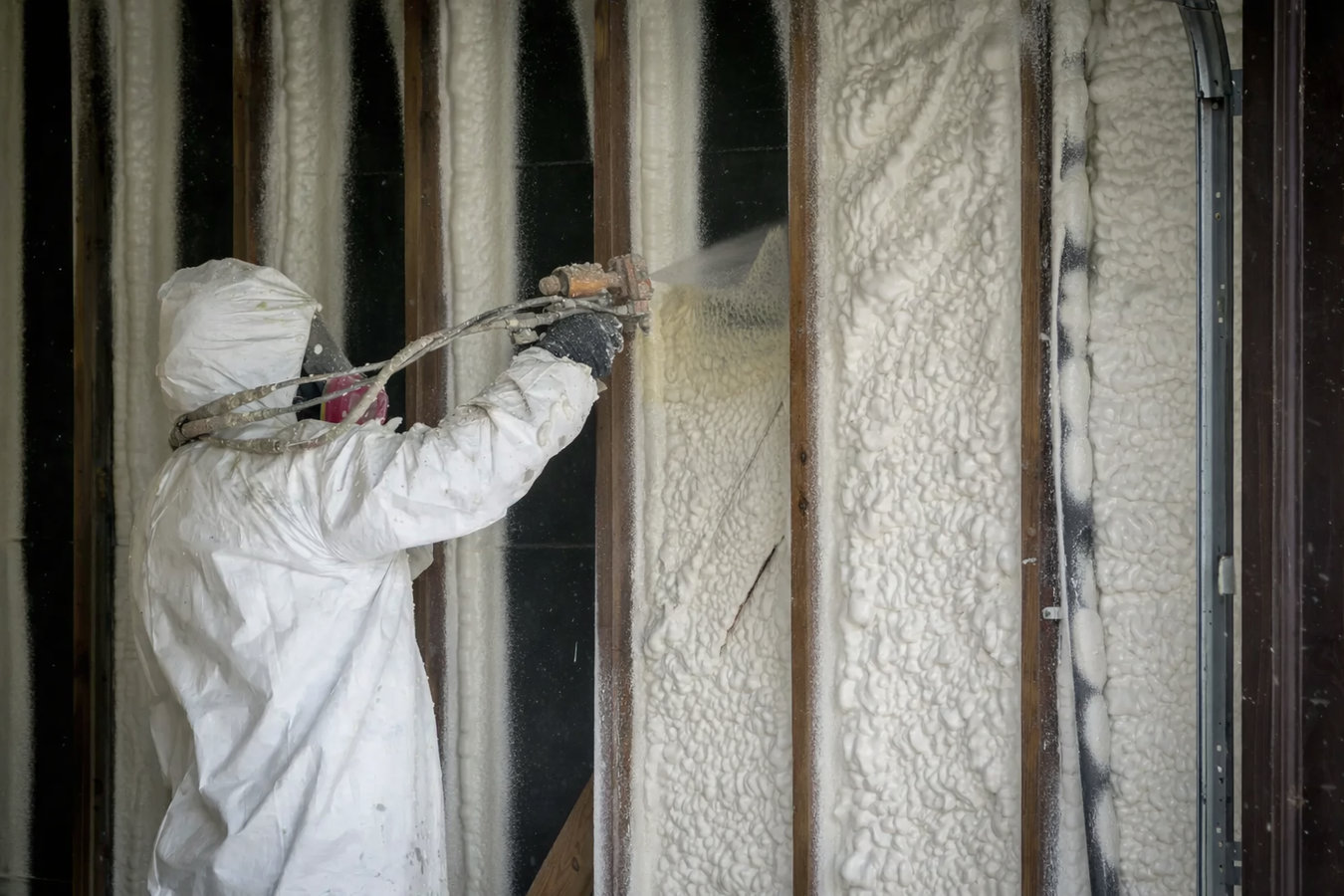
Pueblo Insulation serves Trinidad, CO with spray foam, blown-in attic insulation, crawl space insulation, and whole-home services for Las Animas County properties of all ages. We work on pre-1940 homes regularly and respond to every estimate request within one business day.
Trinidad's stock of 100-year-old homes has gaps that standard batts cannot reach - around shifted framing, through original plaster, in sandstone foundation perimeters that have never seen a thermal barrier. Spray foam fills those irregular voids and creates the air seal that older construction never had. Our spray foam insulation service handles both the crawl space and rim joist zones where Trinidad homes lose the most heat to the ground and outside air.
Trinidad homes built before 1940 - a large share of the housing near the historic downtown core - were rarely built with meaningful attic insulation, and what was added over the decades has often settled and compressed to a fraction of its original R-value. The combination of cold winters, moderate snowfall, and hard January freezes makes the attic the single highest-return place to start. Blown-in material added over existing coverage brings these homes up to the recommended level for this climate zone without disturbing original ceilings.
Many Trinidad homeowners have lived in the same house for decades and have a list of comfort problems - a bedroom that is always cold, a kitchen floor that feels like ice in January - that they have accepted as just how the house is. A whole-home insulation assessment looks at every zone at once and identifies which improvements will make the biggest difference in daily comfort, not just on the utility bill.
Properties near the Purgatoire River in Trinidad deal with spring runoff moisture that works its way into uninsulated crawl spaces, and the cold ground under uninsulated floors keeps first-story rooms uncomfortable all winter. Insulating and sealing the crawl space cuts off both problems at once. Homes built on stone or sandstone foundations especially benefit from closed-cell foam at the perimeter, which bonds to irregular masonry surfaces that standard batts leave with gaps.
Trinidad's strong spring winds push cold air through every gap in older framing - around pipe penetrations, at the top plates, and where decades of settling have opened seams in the building shell. Adding insulation without first sealing those entry points means warm air will keep bypassing it. Air sealing paired with insulation work is standard practice on Trinidad's older properties, not an optional add-on.
Trinidad grew up around the coal mining industry in the late 1800s and early 1900s, and the housing stock reflects that history. A large share of homes in this city were built before 1940, many from local sandstone and timber that was practical for the era but was never paired with meaningful insulation. These homes have been occupied and maintained for generations, but few have had insulation work that brings them close to what a house built today would have as standard.
The climate at 6,000 feet in Las Animas County brings cold winters with temperatures that regularly drop into the teens and below, combined with strong winds that come through the Purgatoire River valley in spring and fall. That combination of cold and wind infiltration is harder on older homes with loose framing and aged sealants than on newer construction with tighter envelopes. The frost depth in this part of Colorado can reach 24 inches or more, which stresses foundations and any concrete that goes into the ground.
Properties near the Purgatoire River corridor in the lower parts of town also deal with spring runoff moisture that a homeowner on higher ground does not. That moisture migrates toward foundations and crawl spaces, and insulation materials that are not vapor-appropriate for this application lose effectiveness quickly and can become a moisture problem rather than a solution. Understanding which insulation materials belong where in a Trinidad home requires knowing the local terrain, not just the product catalog.
We work on pre-1940 Trinidad homes regularly - the kind of older construction near the historic downtown streets where sandstone foundations and original-growth timber framing are common. That building type is different from the wood-frame ranch construction more common in Pueblo or Fountain, and we plan our material and method choices accordingly before we arrive at the job.
Trinidad sits along I-25 at the southern end of Colorado, about 13 miles from the New Mexico state line. The Trinidad History Museum and the surrounding downtown historic district anchor the older neighborhoods where much of our Trinidad work is concentrated. We also serve properties near Trinidad Lake State Park on the west side of town, where properties are sometimes on sloped terrain near the reservoir.
We also serve La Junta, CO to the northeast and Walsenburg, CO along the I-25 corridor to the north, so our crew runs this route regularly and is not making a single exception trip to reach Trinidad.
Reach out by phone or through our contact form and we respond within one business day. We ask a few questions about your home's age, what you have noticed, and whether there are known conditions like stone foundations or original plaster that affect how we plan the job.
We visit your home, inspect the attic, crawl space, and walls, and tell you exactly what is there now and where heat is escaping. There is no charge and no obligation. For older Trinidad homes, this visit often uncovers conditions - like a stone foundation perimeter that has never been sealed - that change the scope and the material choice.
You receive a written estimate covering the recommended work, materials, and total cost with no vague line items. We explain every element without pressure. Most Trinidad homeowners need a day or two to review, and we expect that.
The crew arrives on the scheduled day, protects your home, completes the work, and walks you through the results before leaving. Most jobs finish in a single day. Spray foam jobs require residents and pets to leave for at least 24 hours, and we give you a confirmed re-entry time before the crew starts.
We serve Trinidad and Las Animas County with free on-site estimates and written quotes. No obligation, no pressure - just a clear picture of what your home needs.
(719) 750-0080Trinidad is a city of about 8,000 people in Las Animas County at the southern end of Colorado, sitting at roughly 6,000 feet where the Great Plains meet the Rocky Mountain foothills. The Purgatoire River runs through the lower parts of the city, and the surrounding hills and mesas define the landscape that Trinidad homes sit in. I-25 passes directly through town, connecting it to Pueblo to the north and Raton, New Mexico to the south.
The city grew during the coal mining era of the late 1800s, and that history is visible in the architecture of the older neighborhoods near downtown, where sandstone construction and turn-of-the-century commercial buildings survive in good condition. Much of Trinidad's residential housing stock dates to the same period, with a concentration of pre-1940 homes on small in-town lots with modest yards and narrow streets. Long-term homeownership is common, and deferred maintenance on older systems and materials is a reality for many properties.
Trinidad is about 85 miles south of Pueblo, CO along I-25 and roughly 50 miles south of Walsenburg, CO. Both are communities we serve regularly, and crews running the I-25 corridor include Trinidad as a standard part of our service area.
Spray foam creates an air-tight seal that stops drafts and maximizes energy savings.
Learn moreProper attic insulation keeps heat where it belongs and cuts cooling costs all summer.
Learn moreBlown-in insulation fills gaps and odd-shaped cavities quickly without major disruption.
Learn moreSafe removal of old or damaged insulation before replacement or remediation.
Learn moreInsulating your crawl space reduces moisture problems and floor cold spots.
Learn moreWall insulation quiets outside noise and prevents energy loss through exterior walls.
Learn moreAir sealing closes the hidden gaps that let conditioned air escape your home.
Learn moreBasement insulation lowers heating bills and protects pipes from cold-weather damage.
Learn moreClosed-cell foam delivers the highest R-value per inch and acts as a moisture barrier.
Learn moreOpen-cell foam is a cost-effective option that also reduces interior sound transmission.
Learn moreSealing attic bypasses before adding insulation dramatically improves overall efficiency.
Learn moreVapor barriers protect your crawl space from ground moisture and mold growth.
Learn moreProfessional vapor barrier installation prevents moisture damage throughout your home.
Learn moreRetrofit insulation upgrades existing homes without removing walls or ceilings.
Learn moreCommercial insulation solutions for offices, warehouses, and mixed-use buildings.
Learn moreServing these cities and communities.
Older homes lose heat faster than their owners often realize. A free assessment gives you an accurate picture of where your insulation stands and what it would take to fix it.